Boating
From pontoons to cruisers, more than 5,800 registered vessels call the lake home.
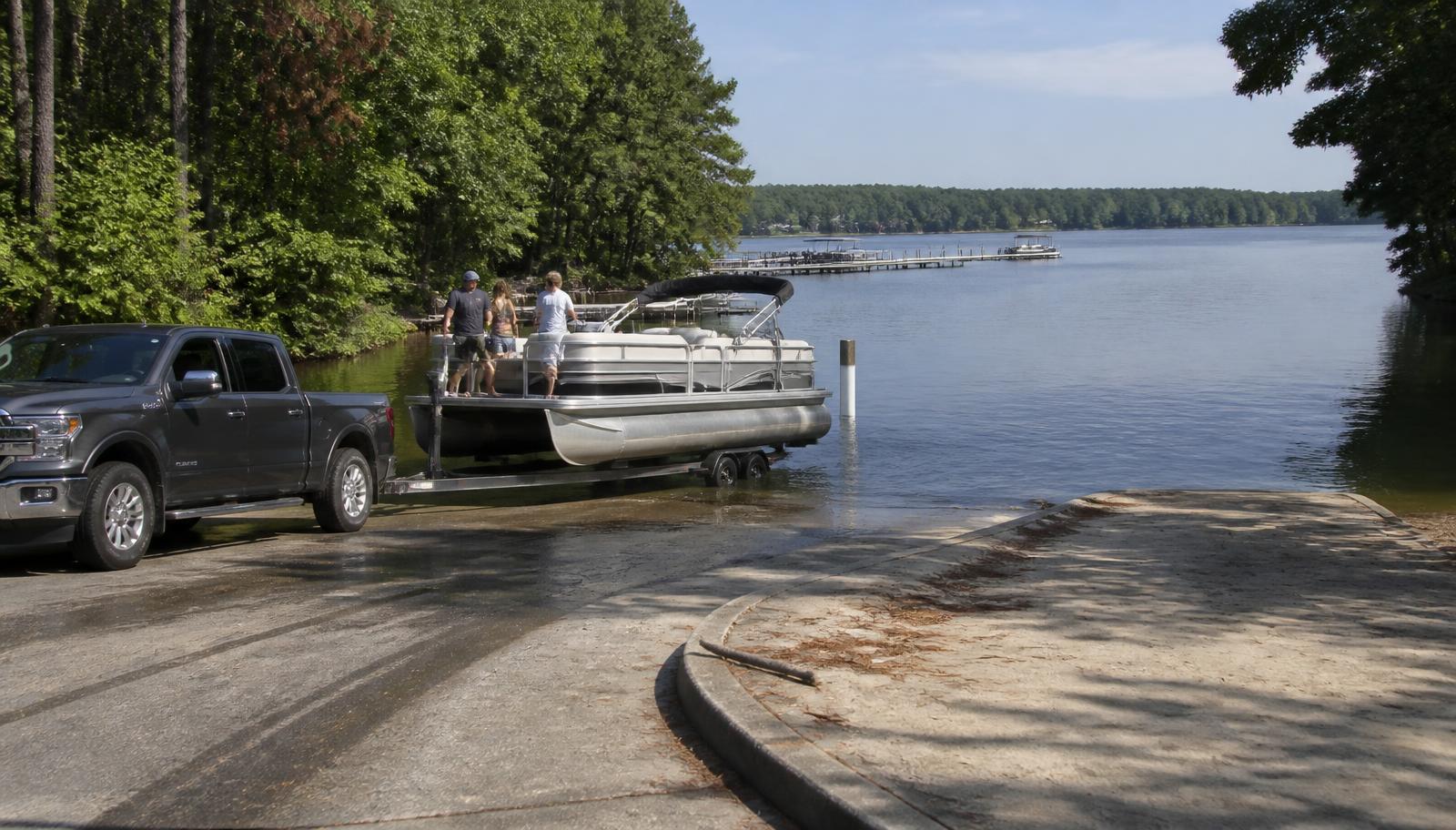
Lake Wylie has been a working, lived-in lake since 1904 — first powering the Catawba mills, then becoming the recreational heart of the Carolinas Piedmont.
From pontoons to cruisers, more than 5,800 registered vessels call the lake home.
Steady summer thermals make Lake Wylie one of the Southeast's most reliable freshwater sailing venues.
Largemouth bass, crappie, and catfish — three FLW tournaments visit the lake annually.
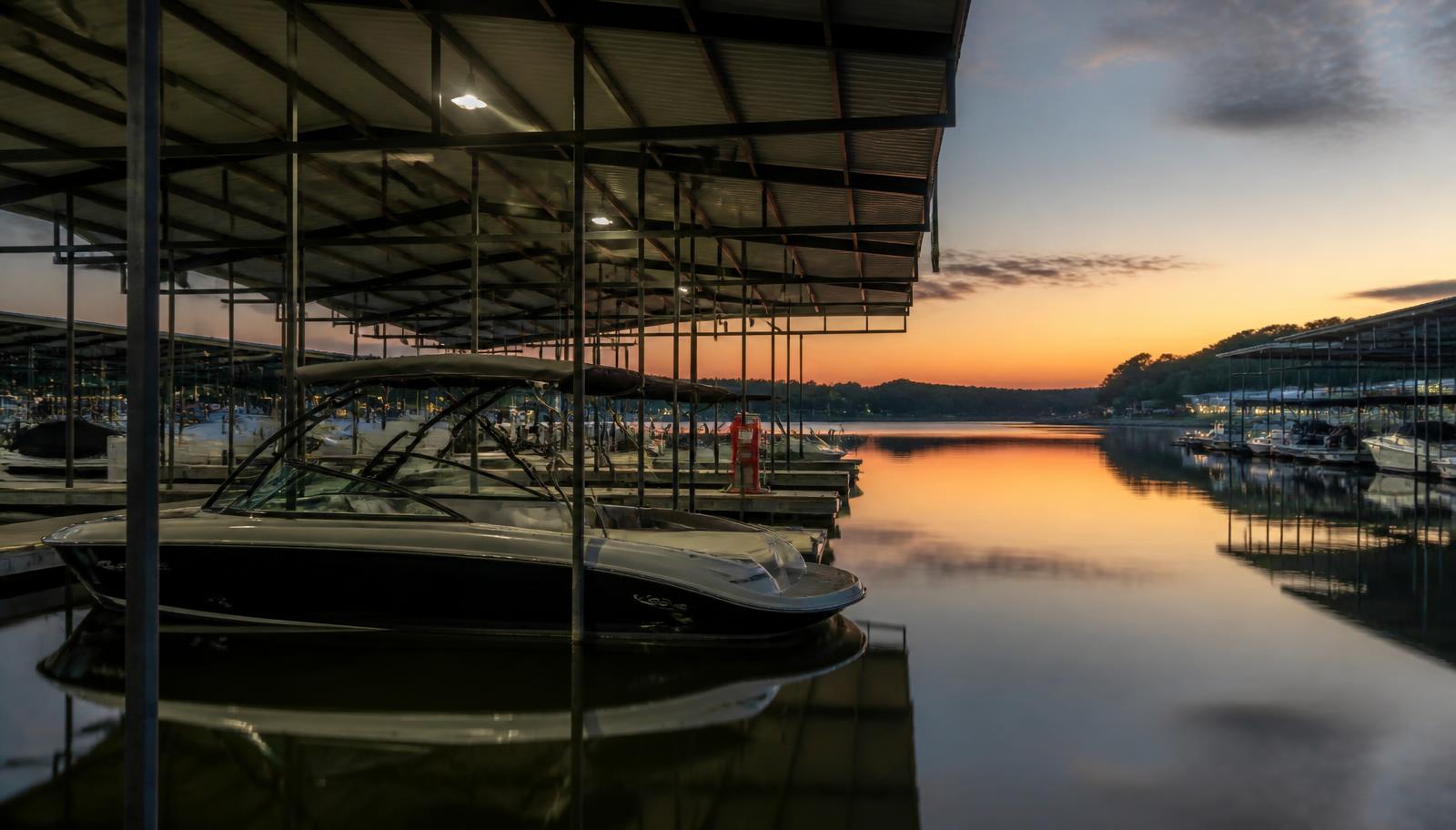
Protected coves around McLean and Big Allison offer the calmest morning glass.
Forty-plus public access points and dedicated paddle launches across both states.
Open channel speed zones with strict no-wake protections around residential coves.
External references — links open in a new tab and pass no SEO authority from this site.
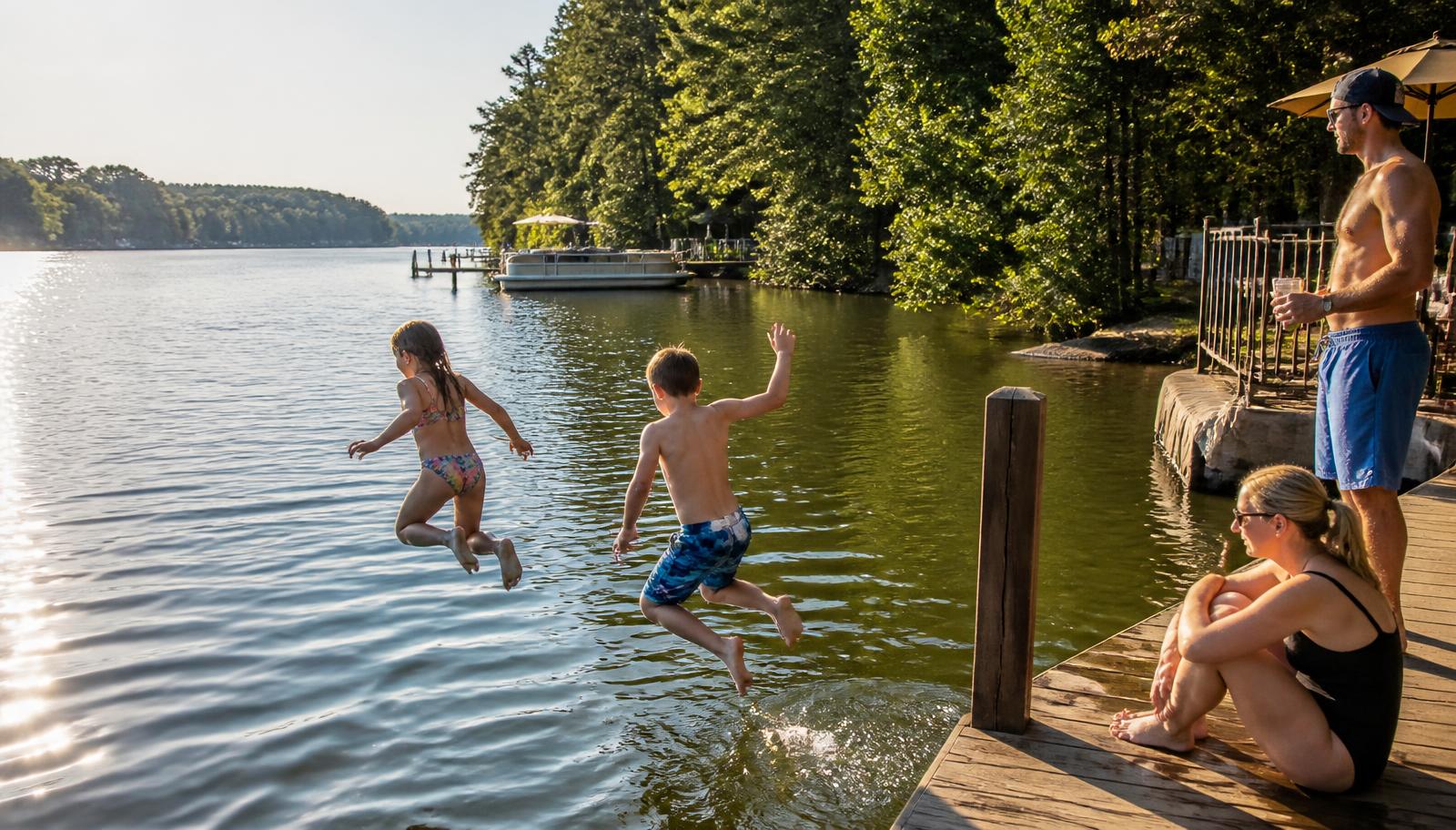
Summer brings flotillas and fireworks; autumn turns the coves copper and gold; winter offers crystalline morning fishing; and spring opens the docks with regattas and rebuilds. Lake Wylie's moderate climate keeps the water in use nearly the entire year.
Long-form orientation on renting a boat, keeping one, and fishing the creek arms — written for households arriving at Lake Wylie for the first time.
 On the Water
Lake Wylie is a 13,400-acre Duke Energy reservoir with roughly 325 miles of shoreline spread across York County, South Carolina and Mecklenburg and Gaston counties, North Carolina. Whether you rent for a weekend or keep a boat here year-round, this guide compares every practical option — rental fleets, marina amenities, storage formats, launch points, and the rules that govern all of it.
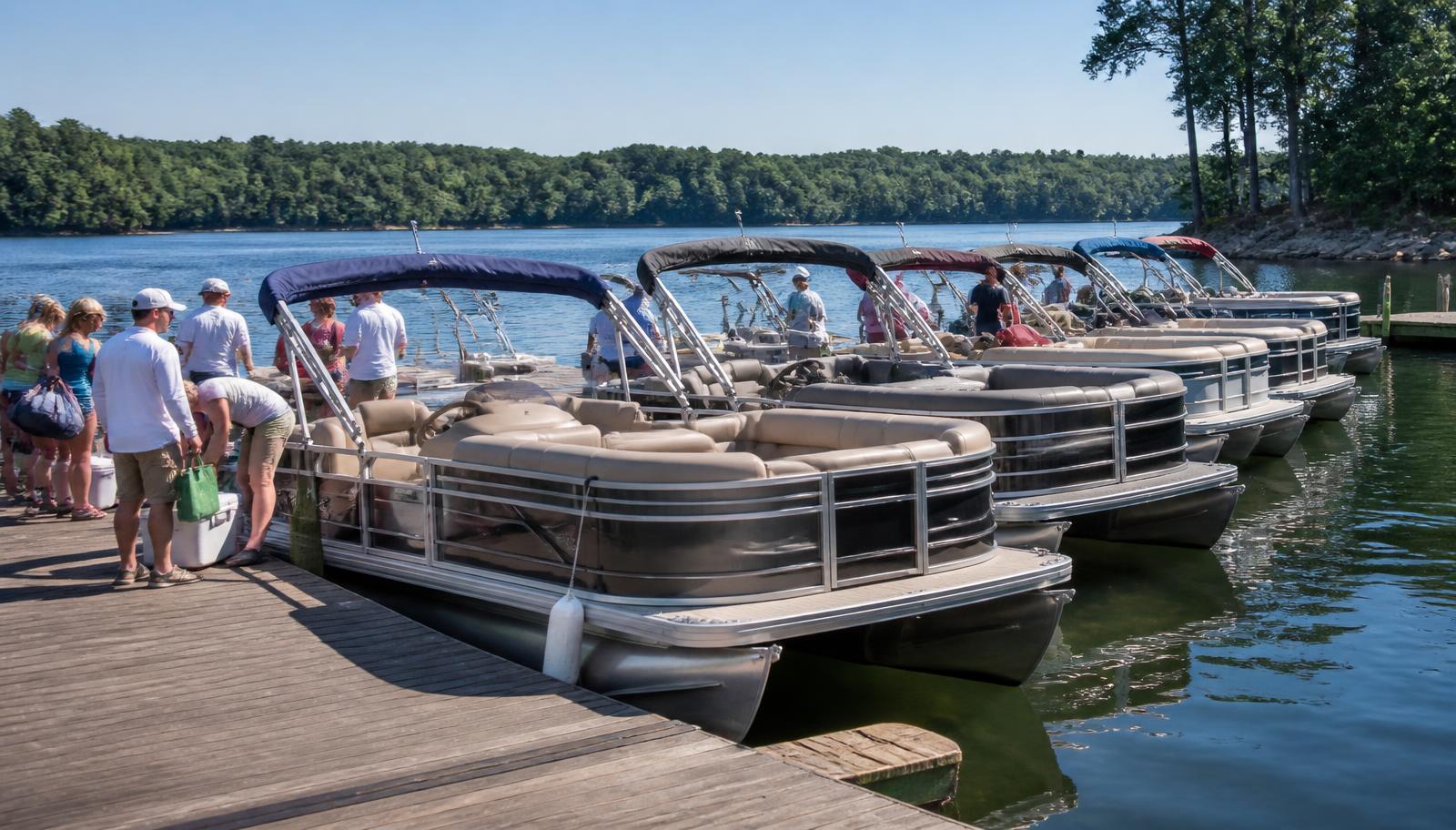 On the Water
Renting before you buy is the single most useful thing a prospective Lake Wylie resident can do. A day on a rented pontoon tells you more about a cove, a community, and a commute-by-water than any listing photograph ever will.
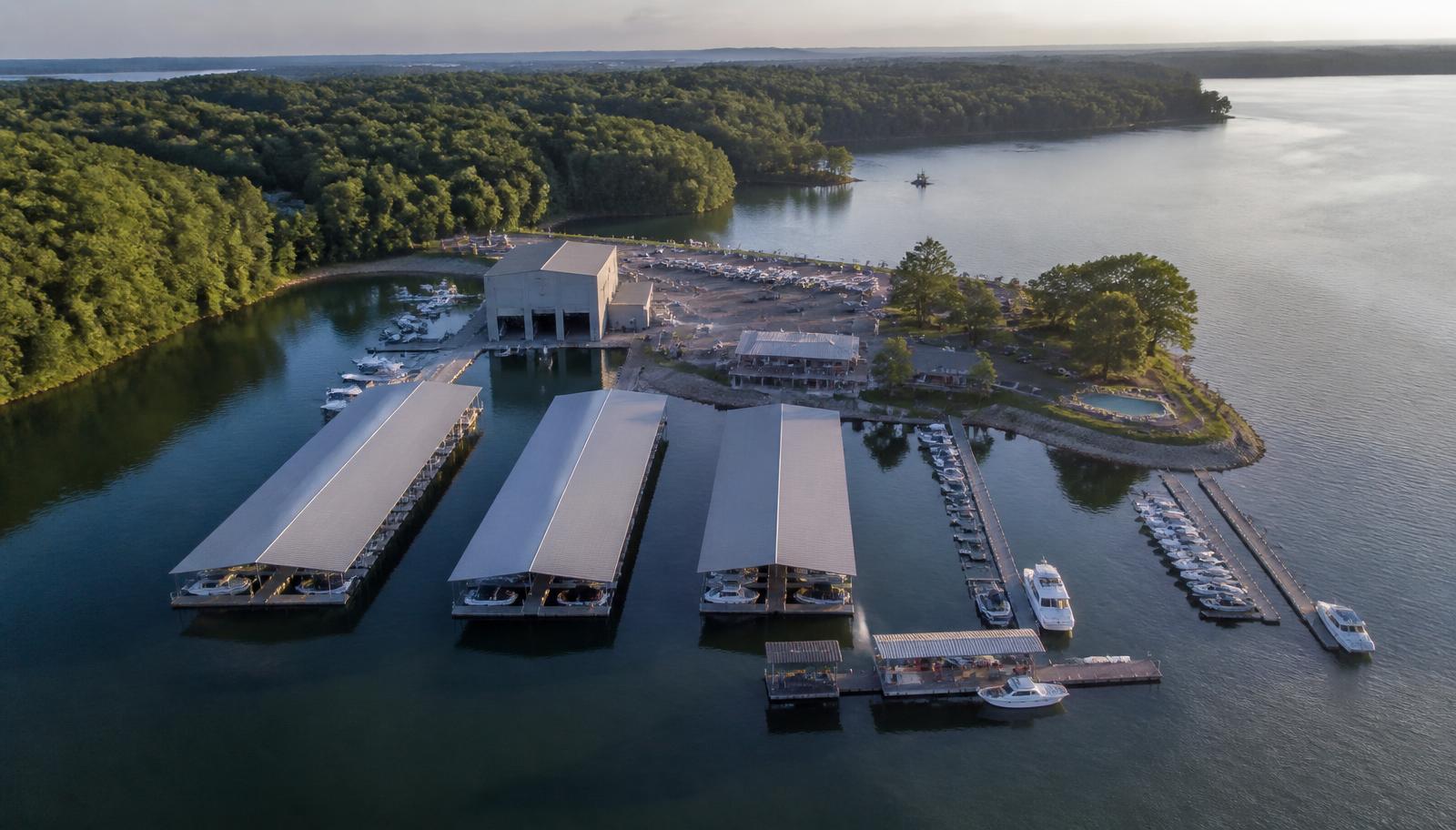 On the Water
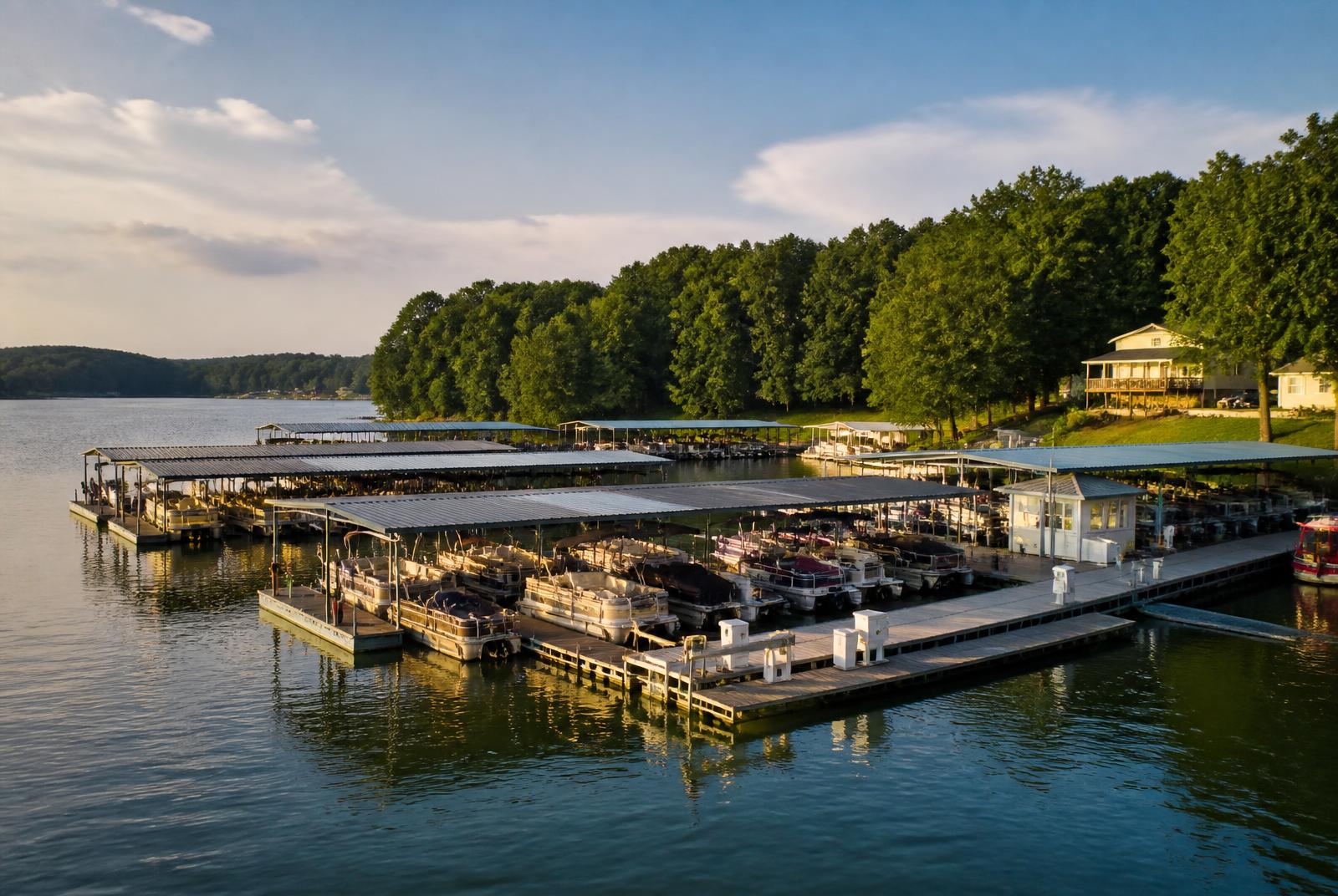
On a reservoir where private dock permitting is finite, the marina is not a convenience — it is infrastructure. Where you keep a boat determines how often you actually use it, and on Lake Wylie that decision quietly shapes the real estate market too.
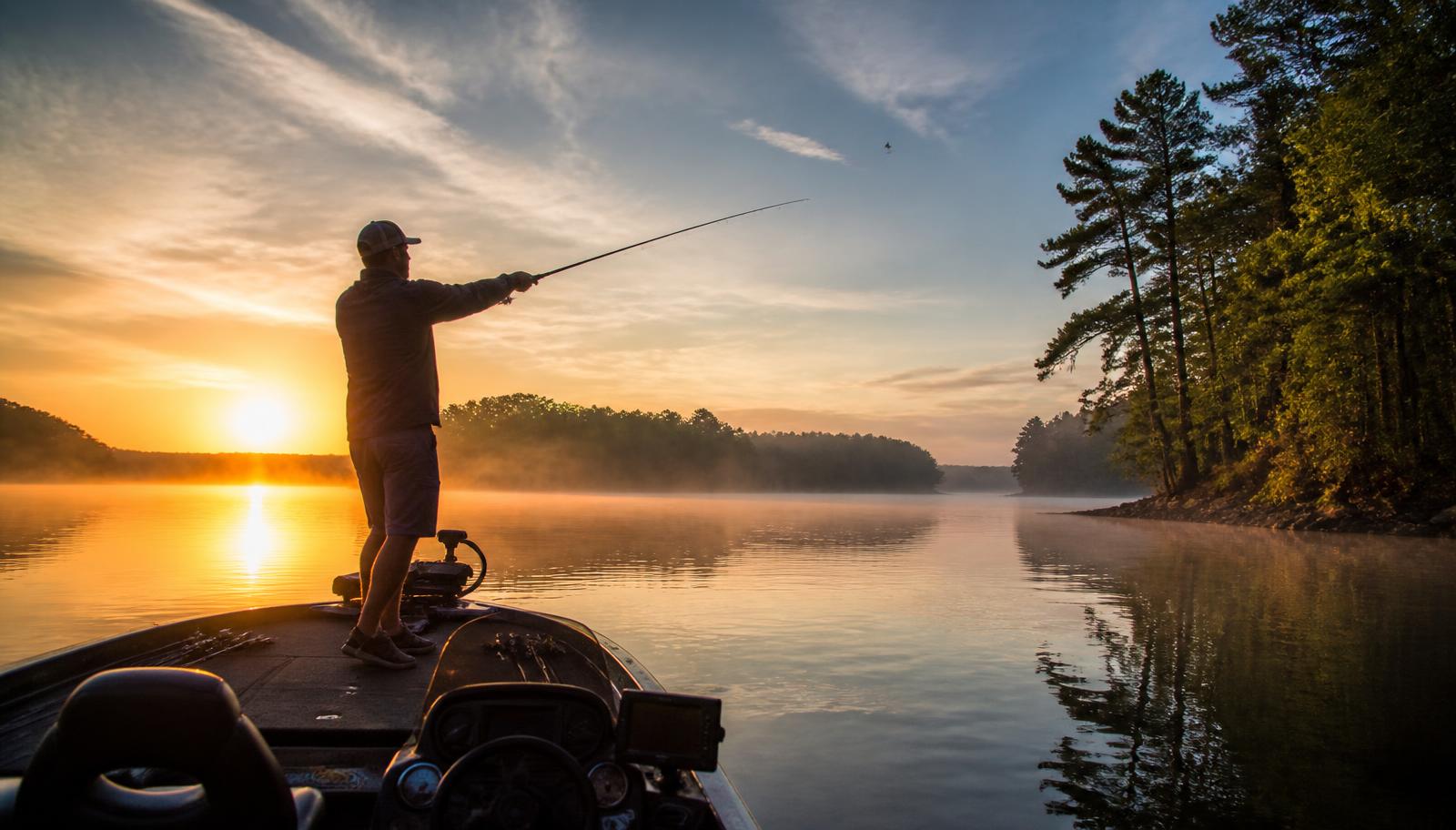 On the Water
Lake Wylie is a working reservoir with a genuine fishery — warm, fertile, structurally complex, and open year-round. It rewards anglers who learn its creek arms rather than its main channel.
Life on Lake Wylie operates on a few unwritten conventions that residents pick up over the first eighteen months and then stop noticing. Boat traffic shifts predictably with the calendar; the marinas have a rhythm that rewards early arrivals; the restaurants book according to a season most newcomers don't yet feel. The lake-life guide is the working orientation document to the cadence beneath the calendar.
Three patterns shape the year more than any single event. The water levels rise and fall with Duke Energy's seasonal drawdowns, governing when dock work happens and which coves stay navigable through January. The temperature shifts the social geometry from home docks (summer) to clubhouses and fireplaces (winter). And the weekly rhythm — quiet Mondays through Wednesdays, building Thursday, peaking Saturday, recovering Sunday — defines when the lake feels social and when it feels private.
The residents who get the most from the basin tend to lean into the off-peak hours: the early-morning sail before the wakeboat fleet wakes up, the Tuesday-night by-boat dinner when reservations are easy, the November weekend at a marina the summer never sees. The lake rewards the residents who treat it as a year-round home rather than a peak-season address.